What's Actually Included in a Commercial Kitchen Exhaust Cleaning Service? A Lynnwood Restaurant Owner's Checklist
Every Lynnwood, WA, restaurant owner deserves a clear picture of what commercial kitchen exhaust cleaning actually covers before scheduling their next service. This guide breaks down each component a professional visit should address, explains why each matters for fire safety, and describes what proper post-service documentation looks like. If you operate a restaurant on 196th Street, near Alderwood Mall, or anywhere else in Lynnwood, this guide is for you.
Why Commercial Kitchen Exhaust Cleaning Is Required in Lynnwood
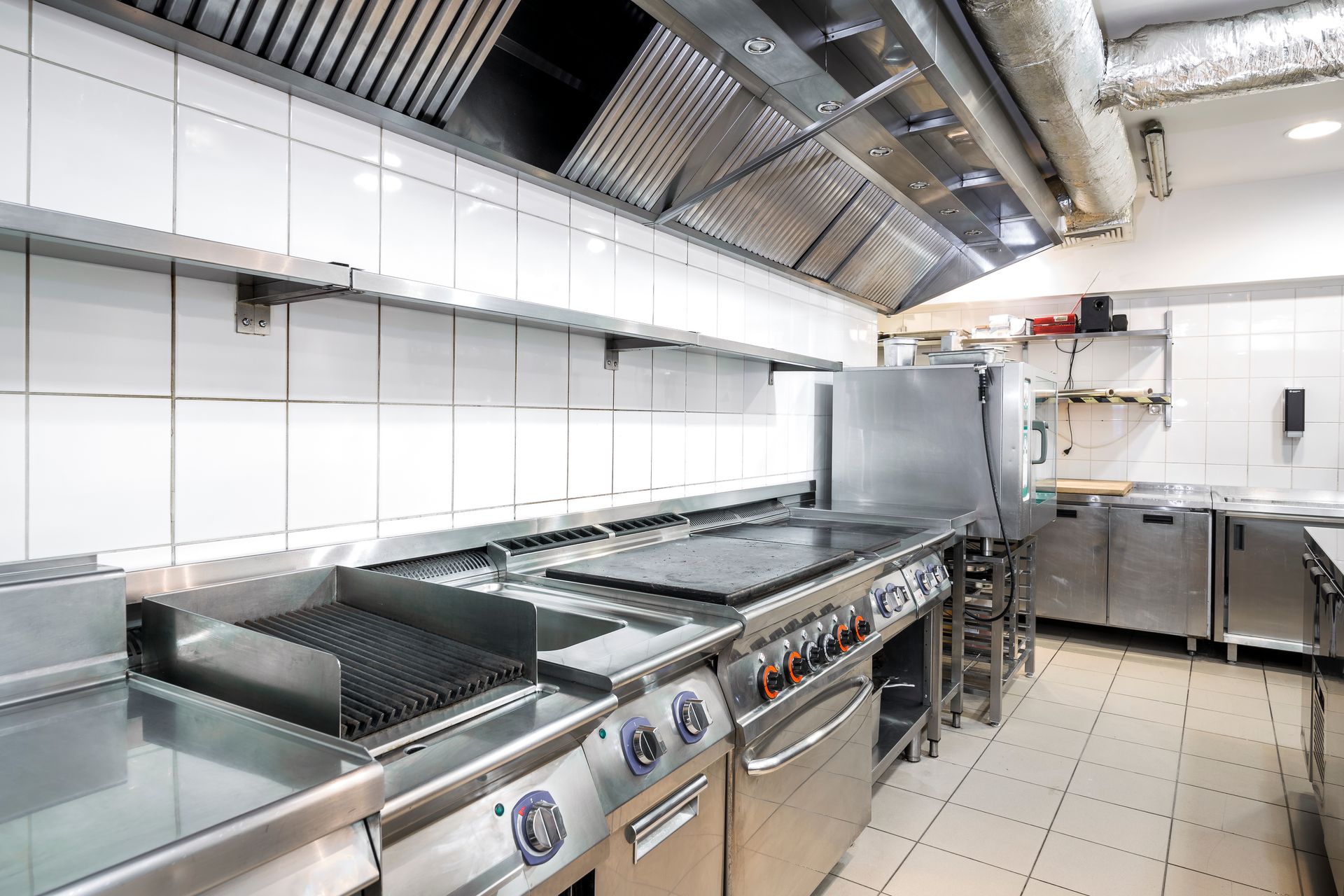
Under NFPA 96, commercial kitchen operators must maintain their exhaust systems in a clean, grease-free condition, covering the entire system from the cooking surface through the canopy hood, all ductwork, and the rooftop exhaust fan. In Washington State, the Fire Marshal follows NFPA 96 as part of the fire code.
For Lynnwood restaurants, South County Fire and the Snohomish County Fire Marshal's Office conduct annual fire and life safety inspections to verify compliance. Restaurants that fail to maintain proper cleaning schedules can face citations, fines, and forced closure. Insurance companies may also deny claims if grease accumulation contributed to a fire.
Knowing exactly what a service should include puts you in control.
The Five Components Included in a Full-Service Cleaning
A thorough commercial kitchen exhaust cleaning covers far more than the visible hood surface.
1. The Hood Canopy and Plenum
The hood captures grease-laden vapors before they travel deeper into the system. Technicians degrease the entire canopy surface, the interior plenum chamber, and any baffles or ledges where grease pools. Partial cleaning does not meet code. A clean hood also supports better airflow, keeping your kitchen cooler and more comfortable for staff.
2. Grease Filters
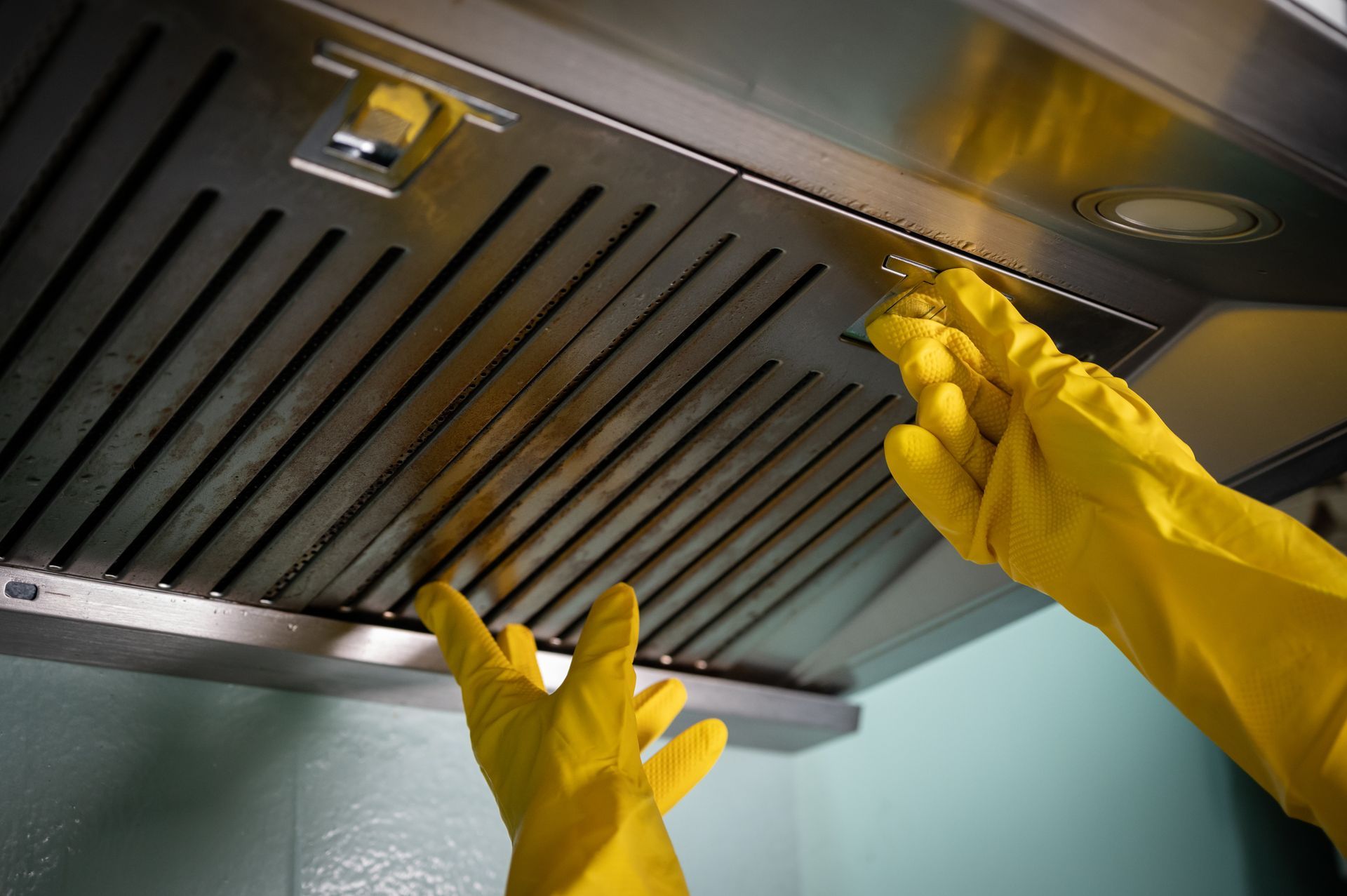
Filters trap grease before it enters the duct. Proper cleaning means removing all fats, oils, and grease from both the visible exterior and non-visible interior. A hood system without properly cleaned filters results in poor airflow and unnecessary strain on fan motors. Many Lynnwood operators choose a filter exchange program so clean filters are swapped in at every service.
3. The Ductwork
The duct connects the hood to the rooftop fan and can run through walls, ceilings, and multiple floors. Grease inside a duct can ignite and spread fire through hidden spaces, which is why inspectors look beyond the visible hood. Specialized tools are often needed to address grease buildup in hard-to-reach sections, and a quality service cleans the entire system at every visit.
4. The Exhaust Fan
If your fan goes down, your kitchen goes down. Technicians clean fan blades, the housing, and grease buildup around the motor. Inspectors check blade condition for grease and physical damage, belt tension and wear, and whether the hinged fan access mechanism operates correctly per NFPA 96.
5. The Rooftop Unit and Grease Containment
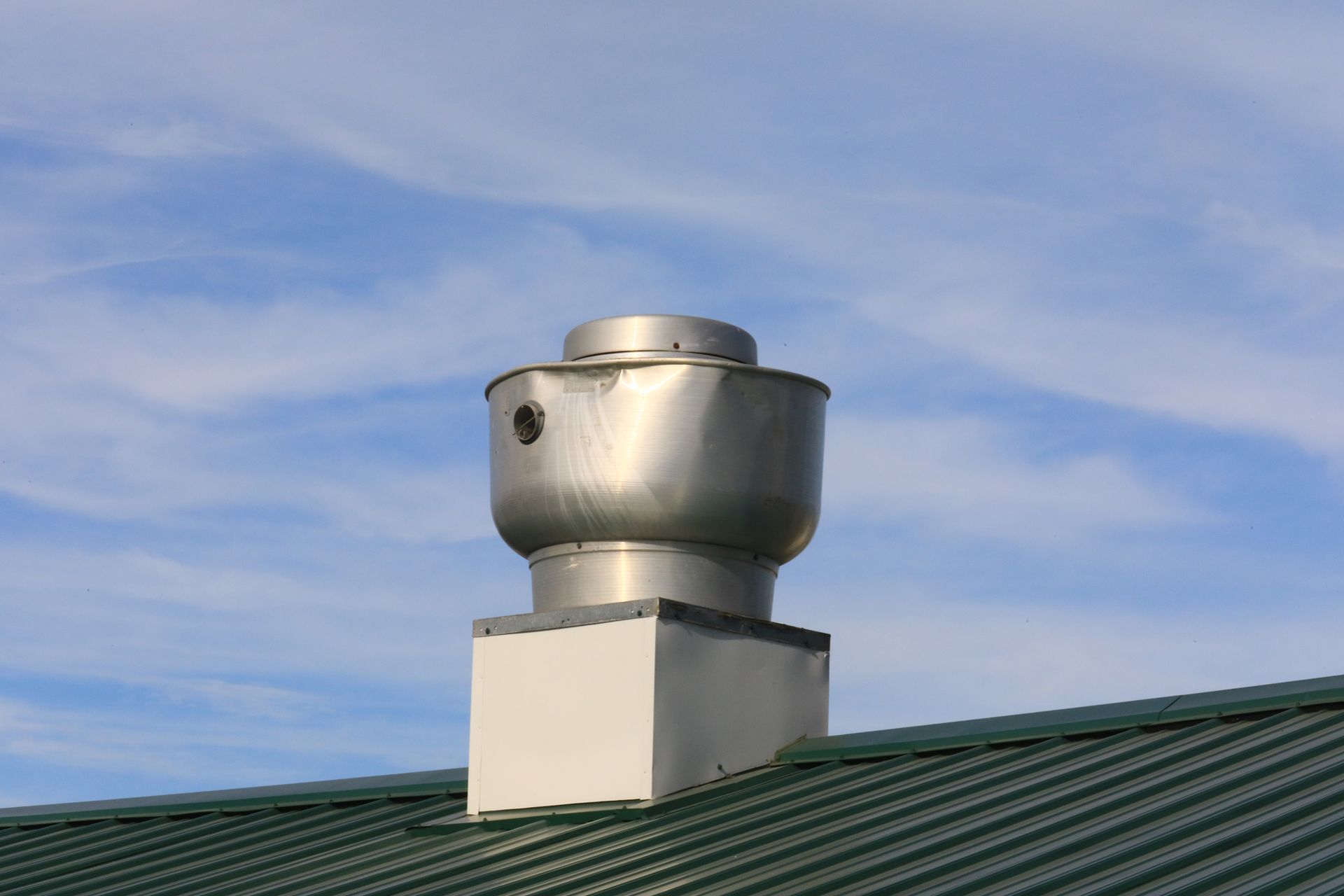
The rooftop unit is exposed to the Pacific Northwest's rain and wind year-round. Grease that escapes cleaning can collect around the fan base, void roofing warranties, and create a slip hazard. A complete commercial kitchen exhaust cleaning addresses this area and verifies that grease containment trays or bags are in place to prevent runoff.
What Should Be in Your Post-Service Report?
Your post-service report is the paper trail you need when the Snohomish County Fire Marshal arrives for an annual inspection. It should include:
- Date of service and name of the cleaning company.
- Technician credentials confirming NFPA 96 certification.
- A description of all areas cleaned.
- Before-and-after images of the hood, accessible duct areas, fan, and roof.
- A written list of inaccessible, damaged, or excluded areas.
- A label placed in the kitchen showing the date cleaned, company name, and any areas not cleaned.
Keep a physical copy of every report on-site. Health inspectors and fire marshals look for this documentation during routine and unannounced visits.
How Often Does a Lynnwood Restaurant Need This Service?
Cleaning frequency depends on cooking type and volume. NFPA 96 sets schedules ranging from monthly to annual based on cooking hours and fuel type. A high-volume burger or teriyaki concept near Alderwood Mall may need quarterly commercial kitchen exhaust cleaning, while a lower-volume catering kitchen may qualify for semi-annual visits. A certified technician can assess your specific setup.
Does a Certified Company Have to Do the Work?
Yes. The cleaning must be performed by a certified company following NFPA 96 guidelines. Using a non-certified kitchen exhaust cleaning company can be considered negligence. Always ask for documentation of certification before scheduling service.
Get Your Lynnwood Kitchen on a Service Schedule with SafeHoods
SafeHoods serves Lynnwood, WA, and the broader Snohomish County area with certified commercial kitchen exhaust cleaning. SafeHoods is certified to remove grease buildup and keep you compliant with fire department and insurance requirements, protecting your property, employees, and customers.
Whether you need a one-time cleaning or a recurring schedule, the team can help you stay ahead of your next inspection. Learn more on the Commercial Hood Cleaning Service page, or explore filter exchange options to keep filters fresh between full services.
Ready to get on the schedule? Call (425) 435-4444 or request a free quote online today.