Commercial Kitchen Exhaust Cleaning in Redmond, WA: A Guide
Running a busy kitchen in Redmond means dealing with grease, smoke, and constant cooking. At SafeHoods, we know how important it is to keep your exhaust system clean and safe. Call us today at 425-435-4444 to schedule your service and protect your business.
Why Fire Safety Starts With Exhaust Cleaning
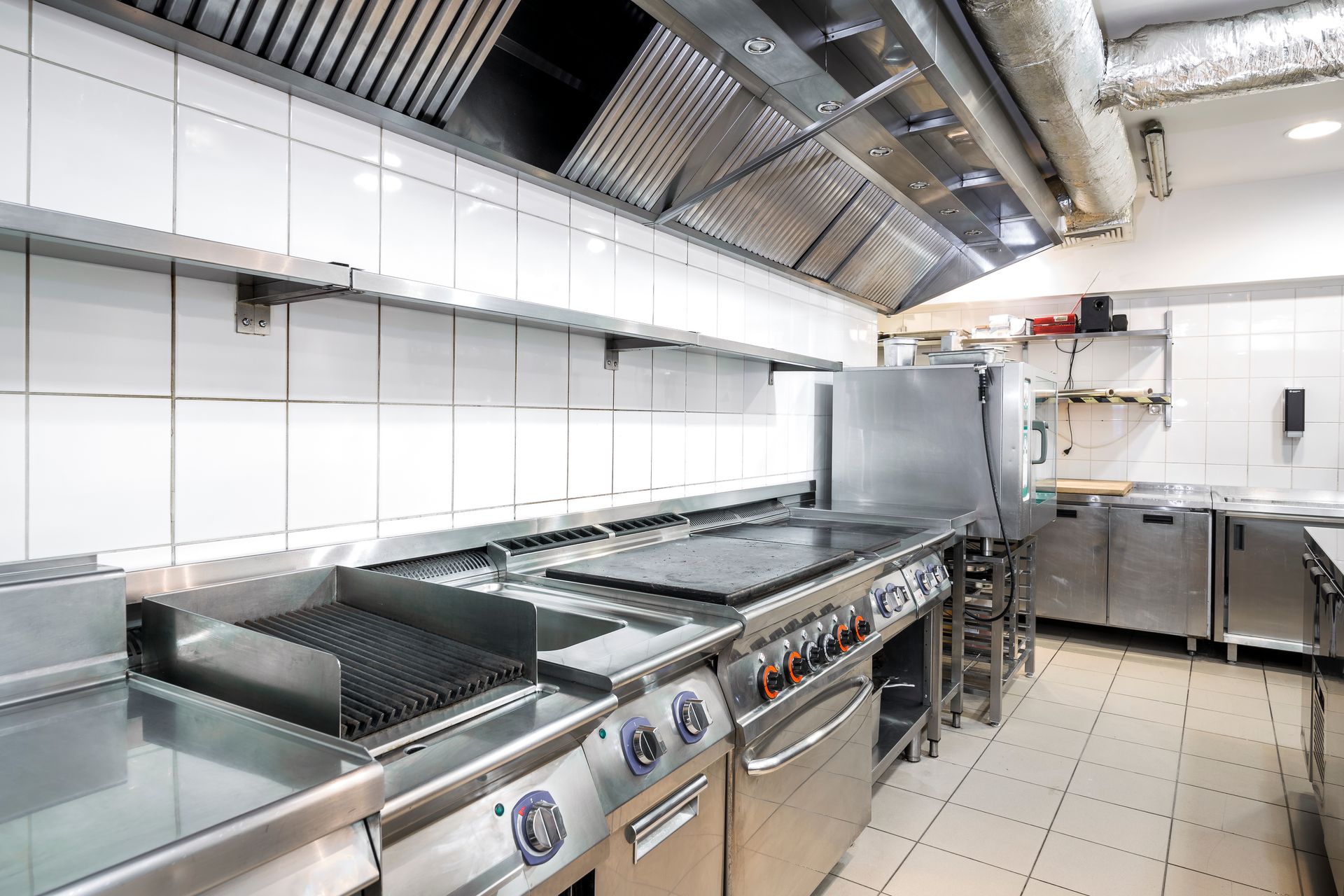
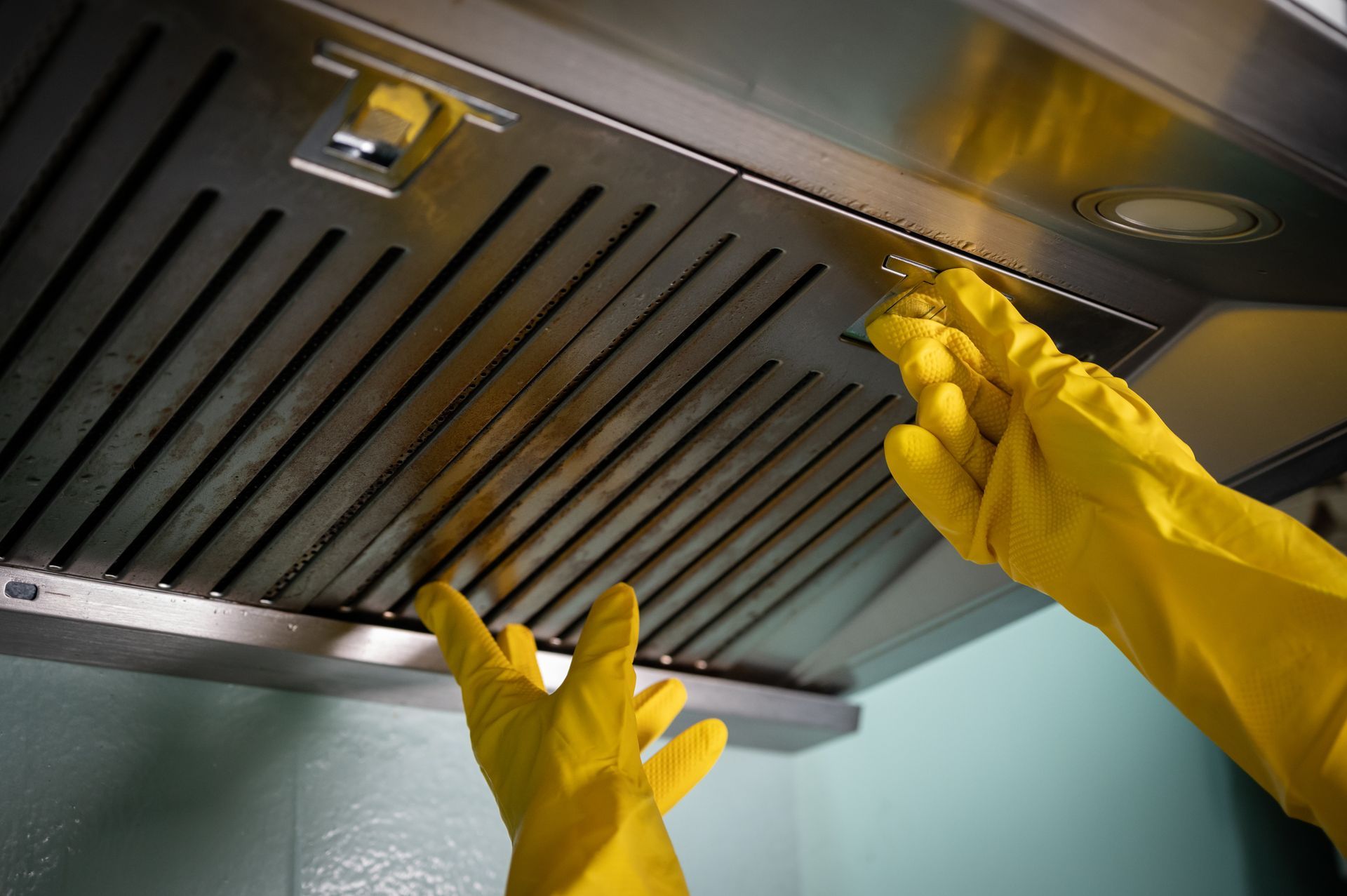
Grease buildup inside exhaust systems is one of the leading causes of commercial kitchen fires. When grease collects in ducts, fans, and hoods, it becomes highly flammable. A single spark can ignite the buildup and spread flames quickly through the ventilation system.
Regular commercial kitchen exhaust cleaning in Redmond, WA, reduces this risk. By removing grease and debris, SafeHoods helps restaurants and food businesses stay safe while protecting staff and customers.
Compliance With Local Fire Codes
Restaurants in Redmond must follow strict fire safety codes. Insurance companies also require proof of regular exhaust cleaning. Missing these requirements can lead to fines, higher premiums, or even closure.
SafeHoods provides certified commercial kitchen exhaust cleaning in Redmond, WA, that meets NFPA 96 standards. Our team ensures your kitchen is compliant, giving you peace of mind and protecting your investment.
How SafeHoods Cleans Your Exhaust System
We use advanced equipment and proven methods to deliver thorough cleaning. Every part of your system is inspected and cleaned to remove grease and buildup.
Our Process Includes:
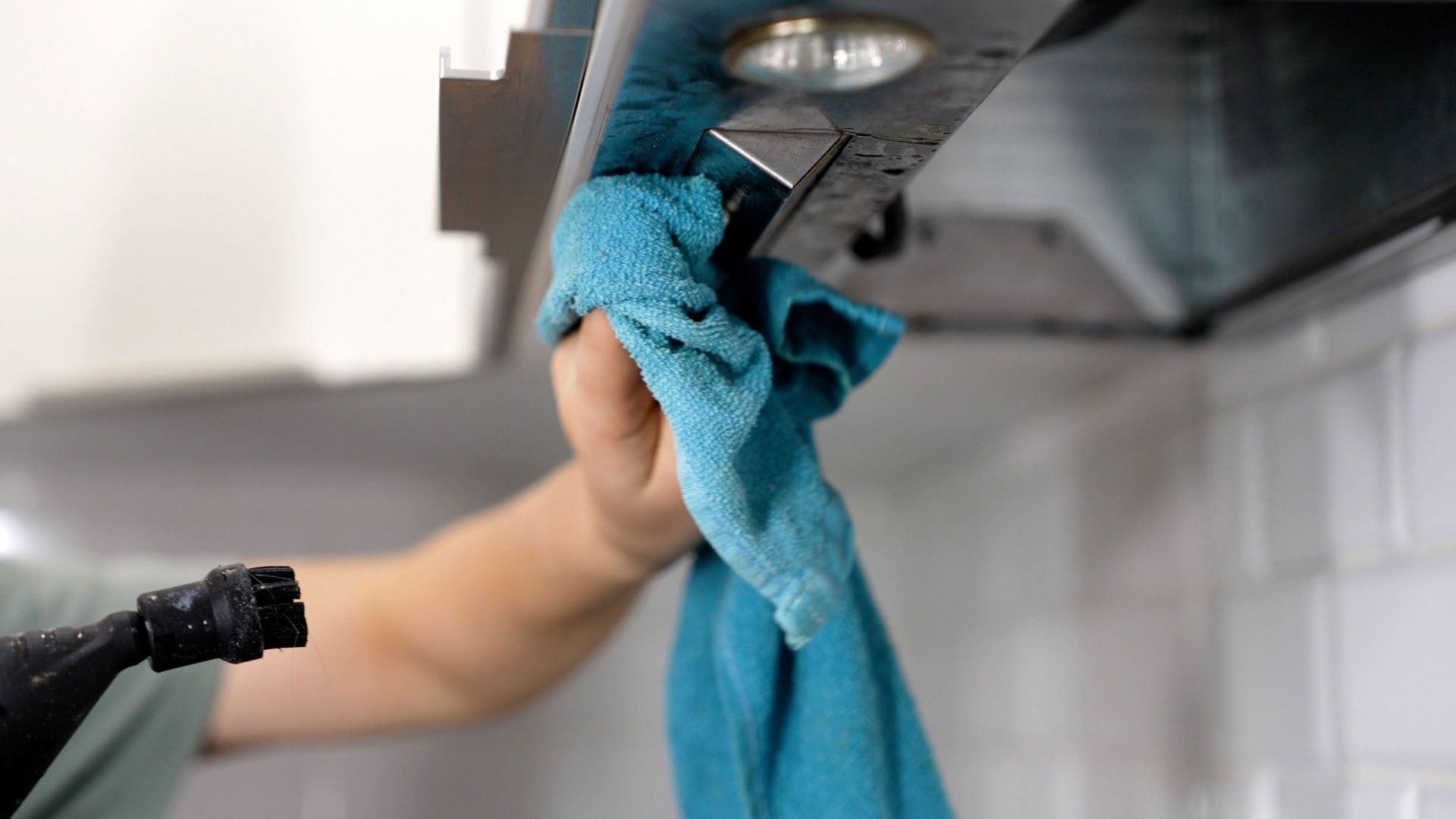
- Hood cleaning: Removing grease from filters, surfaces, and hood interiors.
- Duct cleaning: Scraping and washing ducts to prevent hidden fire hazards.
- Fan cleaning: Ensuring fans run efficiently without grease buildup.
- System inspection: Checking for damage or safety concerns after cleaning.
With SafeHoods, your commercial kitchen exhaust cleaning in Redmond, WA, is handled by trained technicians who care about your safety.
Benefits of Regular Exhaust Cleaning
Keeping your exhaust system clean offers more than fire safety. It also improves air quality and efficiency.
Key Benefits Include:
- Reduced fire risk: Less grease means fewer hazards.
- Better airflow: Clean ducts improve ventilation and reduce smoke.
- Lower energy costs: Fans and systems run more efficiently.
- Longer equipment life: Grease-free systems last longer.
- Compliance assurance: Meet fire codes and insurance requirements.
SafeHoods makes commercial kitchen exhaust cleaning in Redmond, WA, simple and effective, so you can focus on running your business.
Why Choose SafeHoods
Choosing the right company matters. SafeHoods stands out because we combine experience, certification, and customer care.
What Sets Us Apart:
- Certified technicians: Trained to meet NFPA 96 standards.
- Advanced equipment: Tools designed for deep cleaning.
- Local expertise: Serving Redmond businesses with trusted service.
- Reliable scheduling: Flexible appointments to fit your kitchen hours.
- Proven results: Satisfied clients across Redmond and nearby areas.
When you need commercial hood cleaning service, SafeHoods is the team you can trust.
How Often Should You Schedule Cleaning?
The frequency of cleaning depends on your kitchen’s activity. Busy restaurants may need monthly service, while smaller operations may need quarterly cleaning.
General Guidelines Include:
- High-volume kitchens: Every month.
- Moderate-use kitchens: Every 3 months.
- Low-volume kitchens: Every 6 months.
SafeHoods can help you set the right schedule for your business. Regular commercial kitchen exhaust cleaning in Redmond, WA, ensures your system stays safe year-round.
The Hidden Costs of Neglecting Exhaust Cleaning
Ignoring exhaust cleaning can lead to more than fire hazards. It can also cause costly repairs and downtime.
Risks of Neglect Include:
- Damaged fans: Grease buildup strains motors and reduces efficiency.
- Poor ventilation: Smoke and odors linger, affecting staff and customers.
- Health concerns: Dirty systems spread bacteria and contaminants.
- Higher insurance costs: Lack of compliance raises premiums.
- Emergency closures: Fire inspectors may shut down unsafe kitchens.
SafeHoods helps you avoid these problems with professional commercial kitchen exhaust cleaning in Redmond, WA.
NFPA 96 Standards and Why They Matter
The National Fire Protection Association (NFPA) sets standards for kitchen exhaust systems. NFPA 96 requires regular cleaning to reduce fire risks.
SafeHoods follows NFPA 96 guidelines during every service. Our certified technicians ensure your system meets national standards while complying with local Redmond regulations. Such compliance protects your business and shows inspectors you take safety seriously.
How SafeHoods Supports Redmond Businesses
We understand the challenges of running a restaurant in Redmond. From busy downtown eateries to small cafés, every kitchen faces fire risks. SafeHoods provides tailored solutions for each client.
Our Support Includes:
- Flexible scheduling: Cleaning during off-hours to avoid disruption.
- Detailed reports: Proof of service for insurance and inspections.
- Preventive care: Spotting issues before they become costly problems.
- Local knowledge: Understanding Redmond fire codes and requirements.
Commercial kitchen exhaust cleaning in Redmond, WA, is more than a service. It’s a partnership between SafeHoods and your business.
Protect Your Business With SafeHoods
Fire safety is not optional. Grease buildup is dangerous, and compliance is required. SafeHoods provides professional commercial kitchen exhaust cleaning in Redmond, WA, to keep your kitchen safe, efficient, and compliant.
Call us today at
425-435-4444 or visit our contact page:
commercial kitchen quote. Protect your staff, customers, and business with SafeHoods.