Why Delay Commercial Kitchen Hood Cleaning in Redmond, WA?
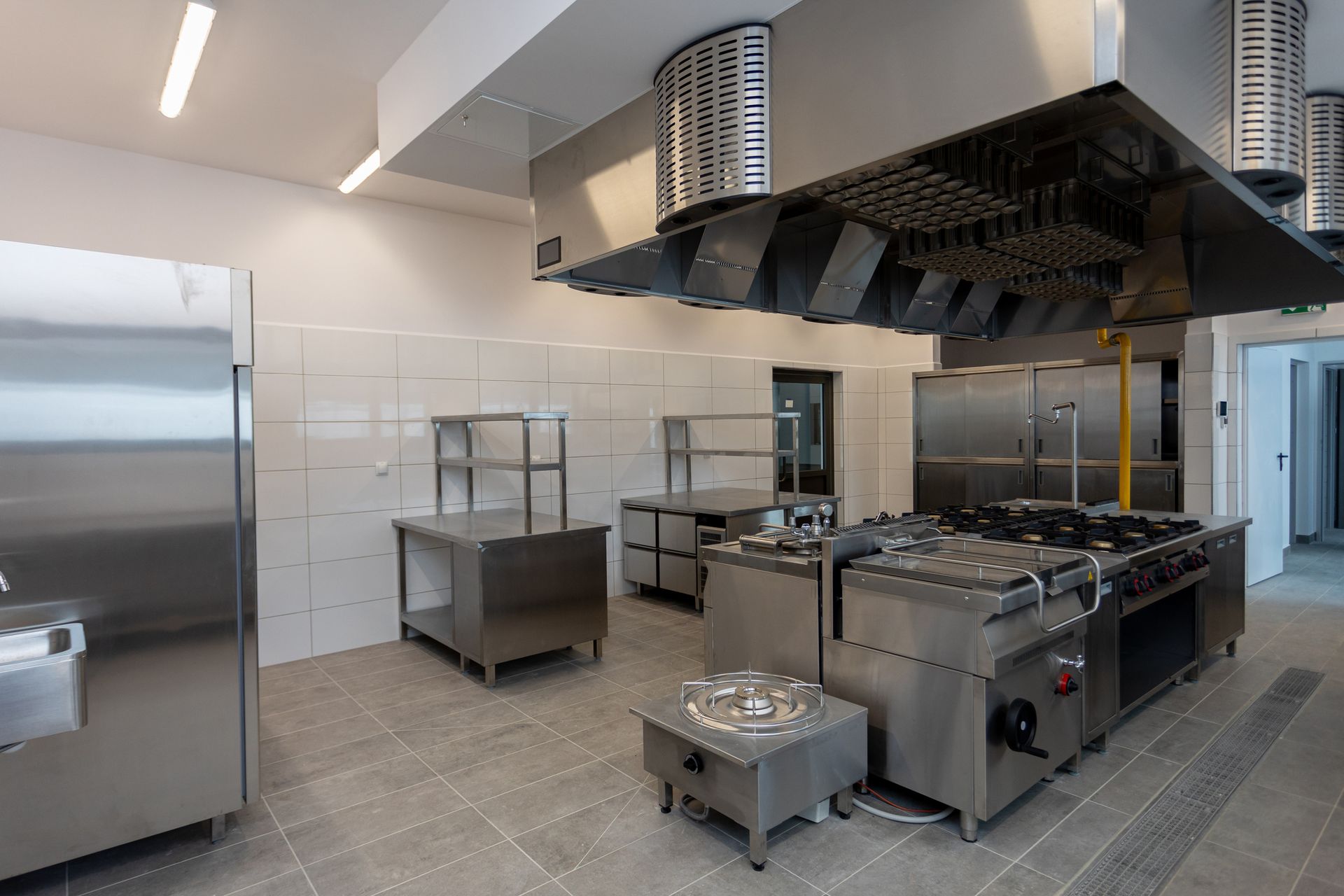
Running a busy commercial kitchen in Redmond, WA, means managing many tasks. One of the most important is keeping your kitchen hood clean. At SafeHoods, we know that hood cleaning might not always be a priority. But delaying commercial kitchen hood cleaning in Redmond, WA, can cause serious problems. To protect your business and keep your kitchen running smoothly, call SafeHoods today at 425-435-4444 for expert service.
Why Timely Kitchen Hood Cleaning Matters
Kitchen hood cleaning does more than tidy your kitchen, it keeps your business safe and compliant. When you delay commercial kitchen hood cleaning in Redmond, WA, grease builds up in vents and filters. This grease is highly flammable and creates fire hazards, putting your staff, customers, and property at risk.
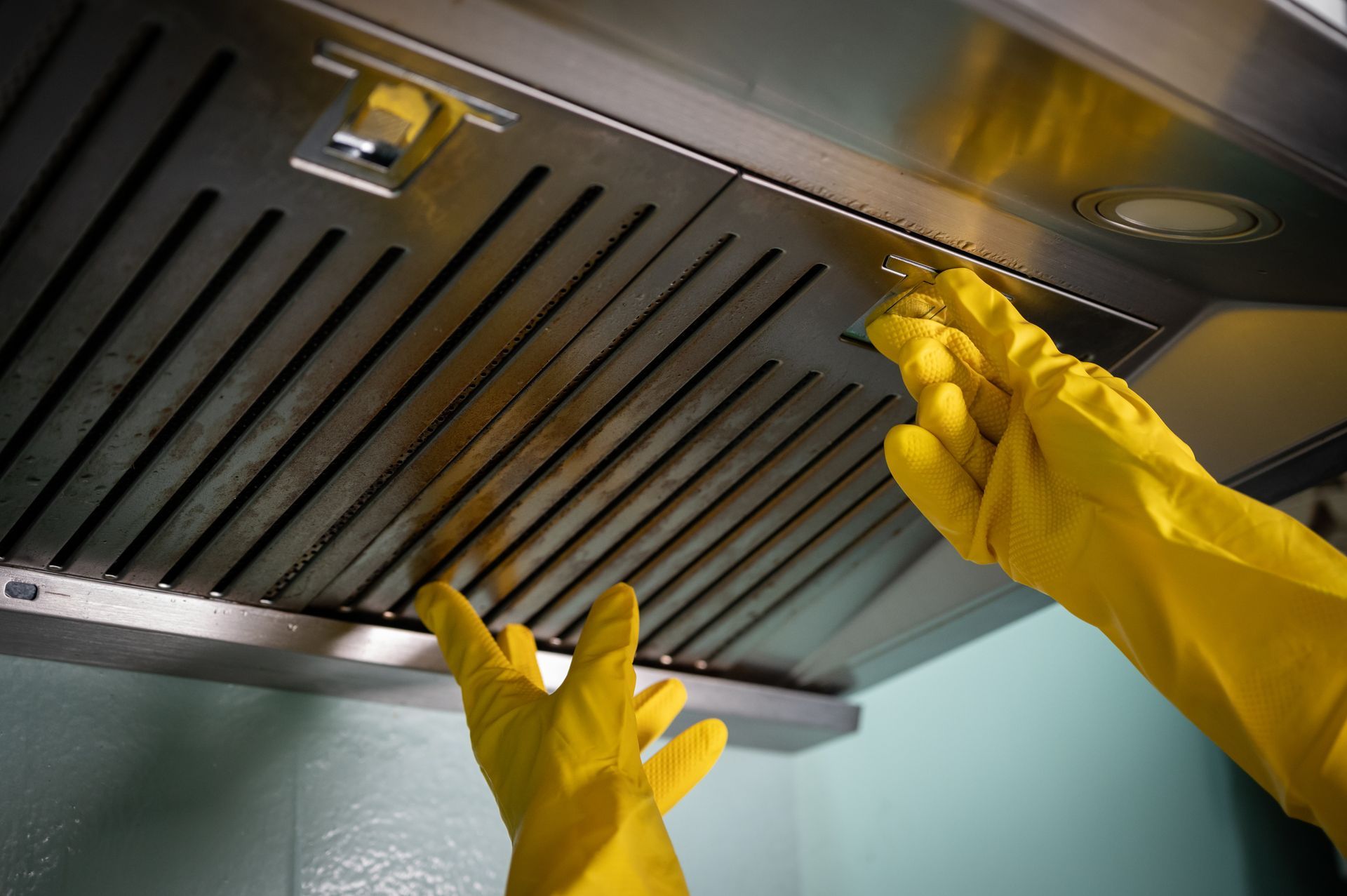
Routine cleaning removes sticky grease that builds up fast. It also helps equipment run smoothly and improves kitchen efficiency. Skipping regular cleaning can raise energy costs because greasy hoods force exhaust systems to work harder.
Fire Hazards From Grease Buildup
- Grease accumulation is a leading cause of kitchen fires.
- Fires can start in the hood or ductwork and spread fast.
- Cleaning removes grease before it becomes a danger.
A small spark is all it takes for built-up grease to ignite. Restaurants that neglect regular cleaning face a higher chance of a devastating fire. Safeguarding your kitchen with routine hood cleaning helps prevent this risk.
Impact on Inspections and Insurance
Failing health or fire inspections can shut down your kitchen until you fix the issues. Delays not only cause lost income but can also hurt your reputation. Insurance companies may also deny claims if your hood wasn’t properly maintained in the event of fire damage. This leaves you responsible for costly repair or replacement bills.
Regular commercial kitchen hood cleaning in Redmond, WA, keeps you compliant with fire codes and health regulations. SafeHoods helps you avoid fines and shutdowns by ensuring your kitchen meets all safety standards. To learn more about how professional cleaning supports compliance, visit our commercial hood cleaning service.
Other Costly Consequences of Delay
Equipment Damage and Performance Issues
Grease left too long in ducts and filters makes appliances work harder, causing wear and shortening the life of your hood, fans, and exhaust systems. Poor airflow also heats up your kitchen and makes it less comfortable.
Grease buildup can create bad odors and lower air quality, affecting staff and customers. Keeping your commercial kitchen hood clean in Redmond, WA, helps maintain a fresh environment and improves employee morale.
Fines and Potential Shutdowns
City and state rules require timely cleaning of commercial kitchen hoods in Redmond, WA. Missing cleanings can lead to fines or forced closures, hurting your business and staff.
Even small fines add up, and shutdowns cause lost income. Staying on schedule with cleanings keeps your kitchen running smoothly and avoids costly interruptions.
How Safehoods Keeps Your Kitchen Safe and Efficient
SafeHoods specializes in commercial kitchen hood cleaning in Redmond, WA. Our trained professionals use thorough methods to remove grease buildup safely and effectively. When you schedule routine cleaning with us, here is what you get:
- Compliance with all local fire and health codes.
- Reduced risk of fire and related liability.
- Extended equipment life and better kitchen airflow.
- Peace of mind knowing your kitchen is safe and clean.
We tailor our service schedules to fit your kitchen’s needs and busy hours. This minimizes downtime and disruption to your operations.
We also use eco-friendly cleaning products and safe equipment to protect your kitchen environment. At SafeHoods, we understand that your kitchen is the heart of your business, so we treat every cleaning job with care and professionalism.
Simple Steps to Avoid Costly Problems
- Schedule commercial kitchen hood cleaning every 3 to 6 months based on use.
- Keep an eye on grease buildup and call SafeHoods if you notice excess residue.
- Train kitchen staff to spot signs of poor ventilation or equipment issues. Our experts at SafeHoods can also conduct a detailed hood inspection to identify potential hazards early. This proactive approach helps you save money in the long run.
The Savings Add Up Over Time
Some business owners avoid commercial kitchen hood cleaning to cut immediate costs. However, this can backfire with pricey repairs, fines, or insurance claim problems. By choosing SafeHoods for regular commercial kitchen hood cleaning in Redmond, WA, you:
- Avoid emergency expenses from fire damage.
- Prevent costly equipment breakdowns.
- Reduce risks of fines and business interruptions.
- Maintain a safe environment for staff and customers.
Investing in routine cleaning pays off by protecting your business’s reputation and bottom line. When you choose SafeHoods, you’re choosing experienced professionals who understand the unique needs of Redmond kitchens.
Ready to Protect Your Kitchen and Save Money?
Don’t wait for problems to happen. Keeping your commercial kitchen hood clean is an easy, smart choice that protects your staff, customers, and profits. SafeHoods is here to help you with dependable, professional commercial kitchen hood cleaning in Redmond, WA.
Call us today at 425-435-4444 or visit our contact page to get a free quote. Take the first step toward a safer, cleaner kitchen by connecting with SafeHoods now.
Protect your kitchen. Save money. Choose SafeHoods.