Commercial Kitchen Filter Cleaning: A Must for Restaurants
If you own or manage a restaurant in Redmond, WA, understanding the importance of commercial kitchen filter cleaning is critical for ensuring a safe and efficient kitchen environment. SafeHoods, a trusted service provider in the area, highlights that regular maintenance of your kitchen’s filters not only prevents fire hazards but also helps restaurants comply with stringent local fire codes and health regulations. In this article, we will explore why kitchen filter cleaning is a vital practice for every restaurant, how grease buildup can increase fire risks, and what professional cleaning entails to keep your kitchen safe and operating smoothly.
The Hidden Dangers of Grease Buildup in Commercial Kitchen Filters
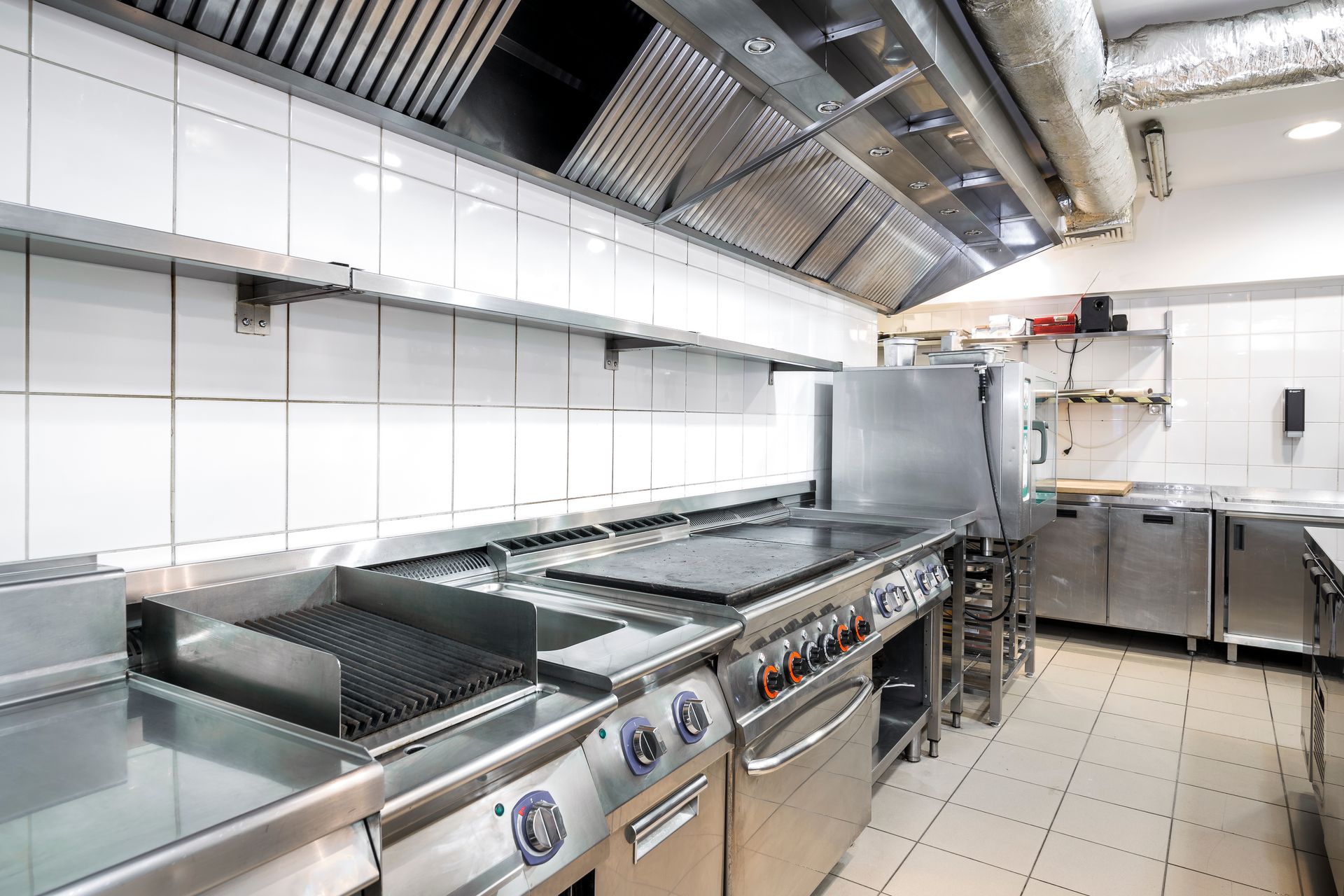
Commercial kitchens constantly generate heat and grease-laden vapors, which are vented through a system of filters and hoods. Over time, grease accumulates on these surfaces, creating a highly flammable layer that poses a serious fire hazard if not cleaned regularly. The National Fire Protection Association (NFPA) has found that a vast majority of restaurant fires begin in kitchen ventilation systems due to neglected grease deposits.
When filters and exhaust hoods are clogged with grease, airflow is restricted, causing your kitchen equipment to work harder and reducing overall efficiency. More importantly, the combination of grease and high cooking temperatures dramatically increases the likelihood of a fire breaking out. Restaurants in Redmond, WA, therefore, face significant risks without proper commercial kitchen filter cleaning.
How Regular Filter Cleaning Helps Prevent Fires and Ensures Safety
Performing routine commercial kitchen filter cleaning decreases the risk of fires by removing grease and contaminants before they accumulate. Clean filters improve ventilation, reducing the chance of flare-ups or grease fires. Fire departments and insurance companies often require restaurants to prove that this maintenance is performed regularly to qualify for reduced premiums and to comply with fire safety regulations.
Additionally, routine cleaning enhances kitchen air quality, helping to eliminate odors and excess smoke that can affect staff and customers alike. Safe and hygienic kitchen environments are paramount in maintaining your restaurant’s reputation and complying with health inspections. In Redmond, WA, many local fire codes mandate scheduled cleaning intervals to ensure all commercial kitchen filters and hoods meet safety standards.
What to Expect From Professional Commercial Kitchen Filter Cleaning Services
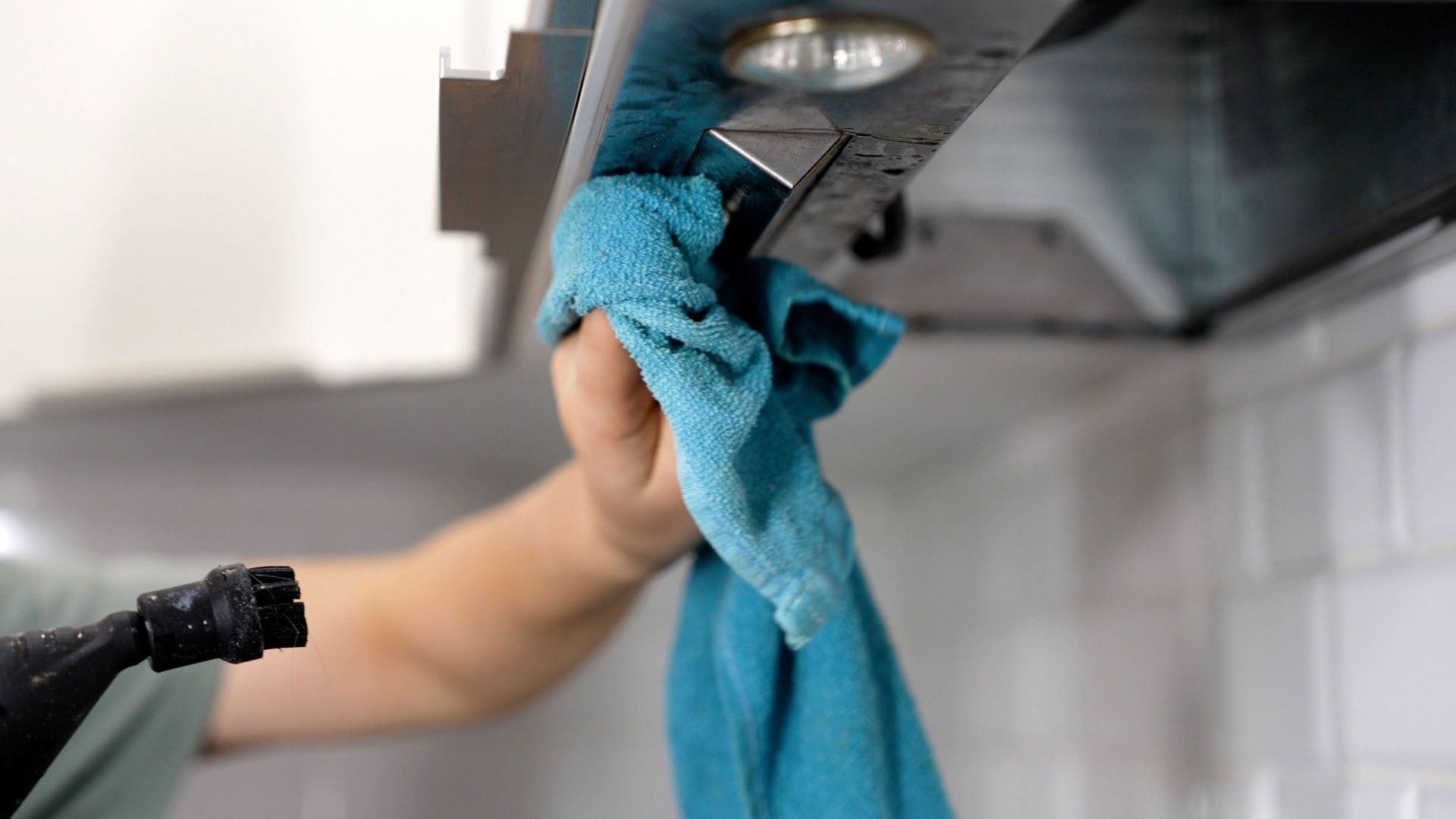
When you hire a professional service for commercial kitchen filter cleaning, expect a detailed and thorough process tailored to your kitchen’s specific needs. Cleaning experts will first perform an inspection to assess the extent of grease buildup and plan the cleaning accordingly.
The process generally includes:
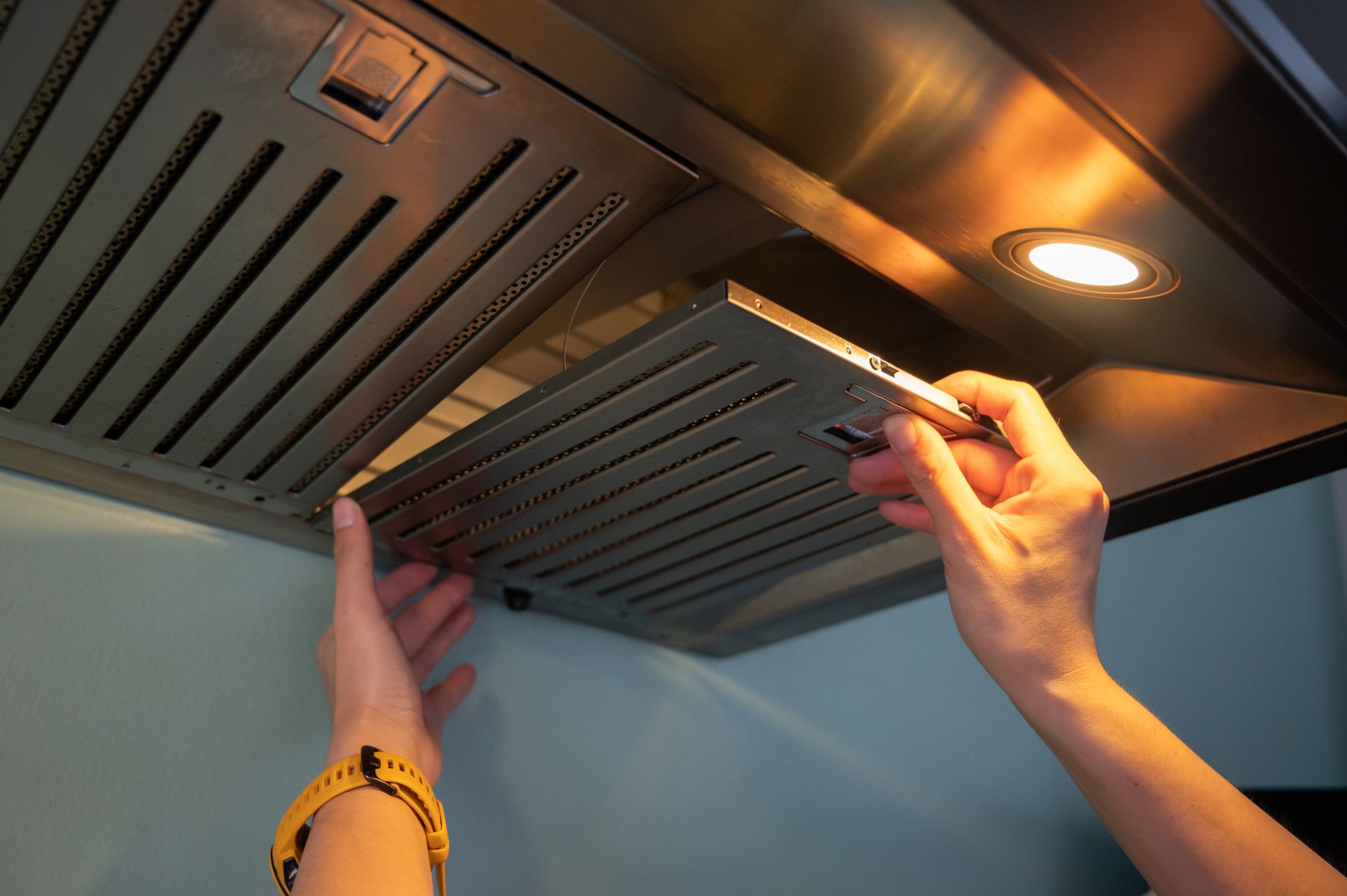
- Filter Removal: Filters are carefully removed from hoods to be cleaned separately.
- Degreasing and Washing: Filters are treated with industrial-grade degreasers and washed to remove stubborn grease and dirt completely.
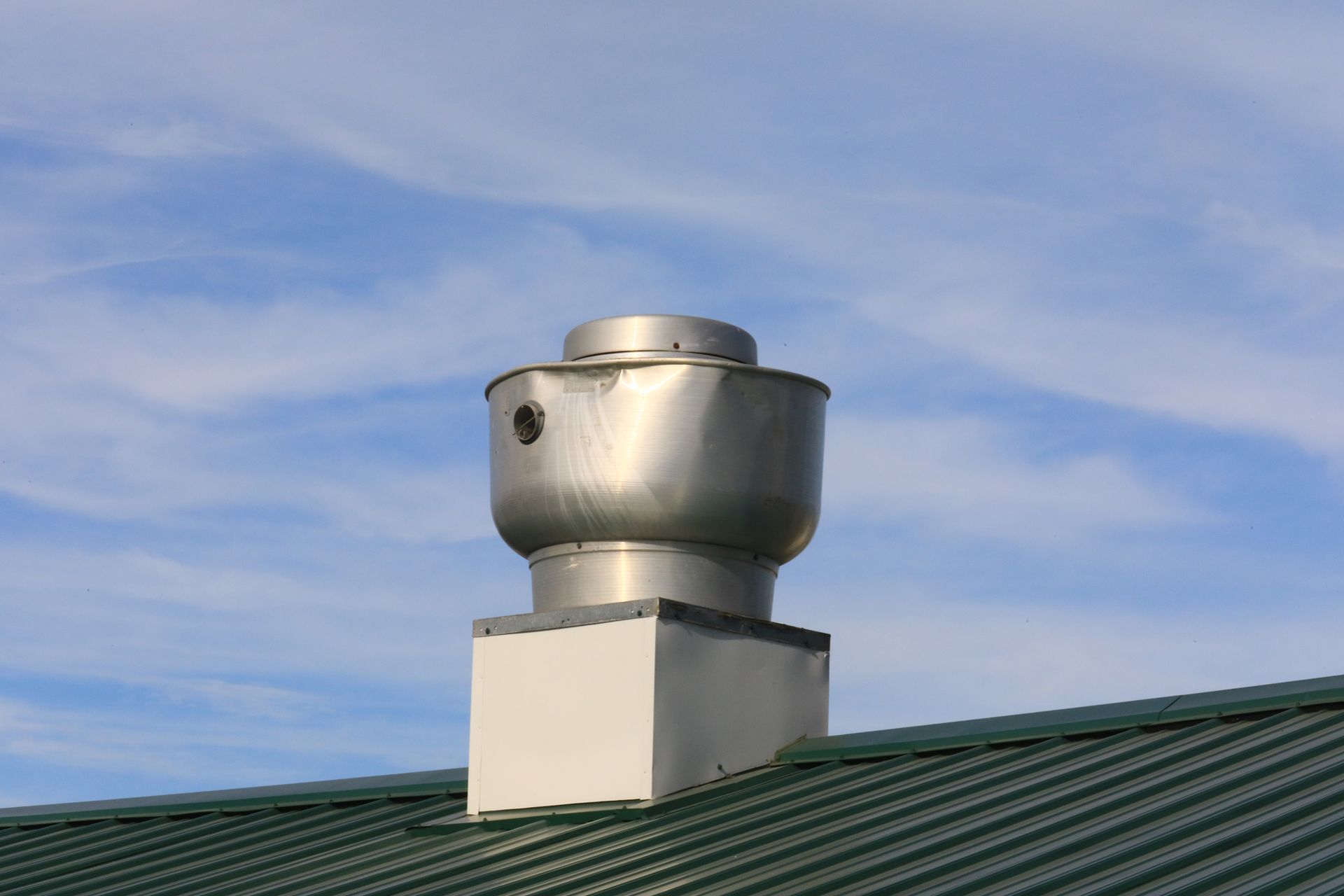
- Hood and Vent Cleaning: Technicians clean inside exhaust hoods and ducts to eliminate hidden grease layers.
- Final Inspection: A final check ensures all components are spotless and functioning properly.
- Reinstallation: Filters are reinstalled with secure fittings to restore efficient airflow.
Professional cleaners follow safety protocols to protect your kitchen equipment and staff during the cleaning. They often provide documentation of service completion, which can be useful for fire safety audits or insurance purposes.
Staying Compliant With Redmond, WA, Fire Codes and Health Regulations
Compliance with local fire codes and health regulations is not optional; it is mandatory for all commercial kitchens. The city of Redmond enforces strict standards on ventilation and fire safety, including the regular cleaning of kitchen exhaust systems. Failure to comply can result in significant fines, suspension of business licenses, or even forced closure.
Routine commercial kitchen filter cleaning demonstrates your commitment to safety and regulatory adherence, minimizing risks while protecting your investment. Clean kitchens also facilitate smoother health inspections and build confidence among patrons concerned about hygiene and safety.
Why SafeHoods Is a Reliable Partner for Redmond Restaurants
While this article is primarily focused on the importance of commercial kitchen filter cleaning, it’s worth noting that local restaurants rely on companies like SafeHoods for expert cleaning services. SafeHoods offers professional cleaning tailored to the commercial kitchen environment, helping establishments maintain compliance and reduce fire hazards efficiently.
With years of experience serving the Redmond community, SafeHoods understands the unique challenges restaurants face in maintaining clean and safe kitchen ventilation systems. Their team uses specialized equipment and proven cleaning techniques to ensure every filter and exhaust hood is thoroughly cleaned, minimizing downtime and disruption to your operations. By choosing SafeHoods, restaurant owners gain a trusted partner committed to quality service, safety, and maintaining the highest standards required by local fire codes and health regulations.
Ready to Enhance Your Kitchen’s Safety?
Restaurants cannot afford to overlook commercial kitchen filter cleaning. Ensuring regular maintenance minimizes fire risks, improves kitchen safety, supports compliance with local codes, and sustains superior air quality. Don’t wait until a grease fire or failed inspection threatens your business; schedule routine filter cleaning today to protect your kitchen, staff, and customers.
Reach out to SafeHoods and take a proactive step toward a safer, cleaner restaurant environment.